Expanding Conversations: Levitt Foundation and Grantee Partners Present on Community Impact at 2025 Conferences
Posted On Dec 19, 2025
Over the years, the Levitt Foundation and national network of grantees have shared the inspiring impact of Levitt programs on the conference stage and at field-building events—imparting knowledge, insights, best practices, and lessons learned on how to strengthen communities and bring people together of all ages and backgrounds through the power of free, live music. Together, these sessions reflect the breadth of Levitt’s work, touching on themes such as free outdoor concerts as a catalyst for community investment, proven approaches to foster belonging and social connection, the power of cross-sector partnerships to expand reach and create economic opportunity, and the Foundation’s spend down journey while reaching audiences that span philanthropy, urban planning, community development, Main Street organizations, live music ecosystems, and more.
2025 was an especially exciting year as Levitt Foundation team members and grantees had the opportunity to present at over a dozen conferences across the country—from the national Main Street Now conference to Kentucky’s Brushy Fork Leadership Gathering to the Music Cities Convention. Read below for highlights!
A recurring theme at conferences across the country was how free outdoor concerts create vibrant, inclusive public spaces and spark economic revitalization for the surrounding neighborhoods. At the American Planning Association’s 2025 National Planning Conference in Denver, Levitt Foundation President & CEO Sharon Yazowski moderated the panel, “Inclusive Planning Through Music: The Levitt Denver Story,” where she was joined by Meghan McNamara, Executive Director of Levitt Pavilion Denver, and Gordon Robertson, Director of Planning, Design & Construction of the Denver Parks & Recreation Department. Together they shared the origins and evolution of the community-led planning process to reimagine the once underused Ruby Hill Park into a vibrant cultural destination, where Levitt Denver’s free concert series now attracts audiences of 100K+ annually, powered by a public-private partnership based on the Levitt model. Meanwhile, at the 2025 International Downtown Association Annual Conference in Cleveland, Lisa Wagner, Executive Director of Levitt Pavilion Dayton, and Kristina Scott, Vice President of Strategy at the Downtown Dayton Partnership, presented a session that explored how free, outdoor concerts can fuel the experience economy and drive downtown revitalization. Drawing on research-backed insights from Dayton and other cities, they reflected on how public space activations like Levitt Pavilion Dayton help support local businesses and generate measurable economic and social impact in today’s post-COVID downtowns.
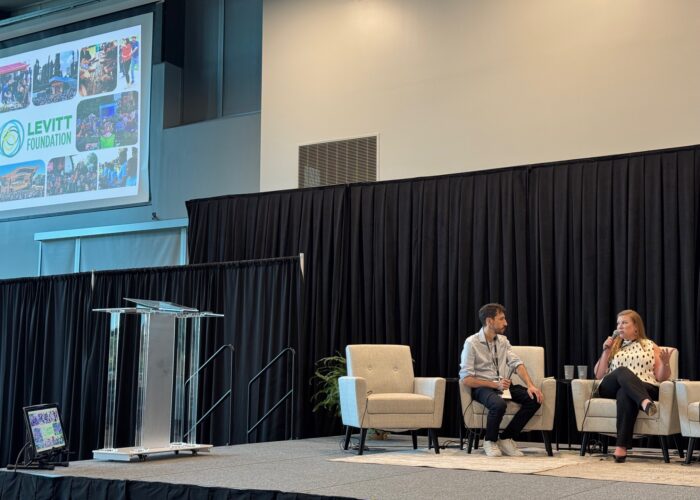
And at the Music Cities Convention in Fayetteville, Arkansas, a convening of music industry professionals, municipal leaders and planners, Yazowski participated in a fireside chat titled “The Power of Free Outdoor Concerts in Creating Vibrant Music Cities,” where she shared how free, inclusive live music can strengthen a city’s identity, animate public spaces, build social capital, and advance economic vitality.
At Main Street America’s 2025 Main Street Now conference, the largest national convening of local leaders working to advance economic opportunity in historic downtowns and neighborhood commercial districts, Vanessa Silberman, Executive Vice President of the Levitt Foundation, moderated two panels with Levitt grantee partners highlighting the power of creative placemaking and community engagement to drive impact and investment. In “Unleashing Capital Investment Through Creative Placemaking,” Andrea Dono, Executive Director of Harrisonburg Downtown Renaissance (presenter of the Levitt AMP Harrisonburg Music Series), and Brian Johnson, Executive Director of On Broadway, Inc. (presenter of the Levitt AMP Green Bay Music Series) shared exciting case studies from each of their communities on how the Levitt Music Series has catalyzed public support and long-term city investment in infrastructure and public amenities. And in “Layering Impact Through Creative Activations & Engagement,” Maggie Tipton, Executive Director of Main Street Batesville (presenter of the Levitt AMP Batesville Music Series), and Johnson shared how initiatives such as a community-created public art mural and a volunteer “Hype Team” amplified the reach and resonance of their Main Street and Levitt Music Series programming.
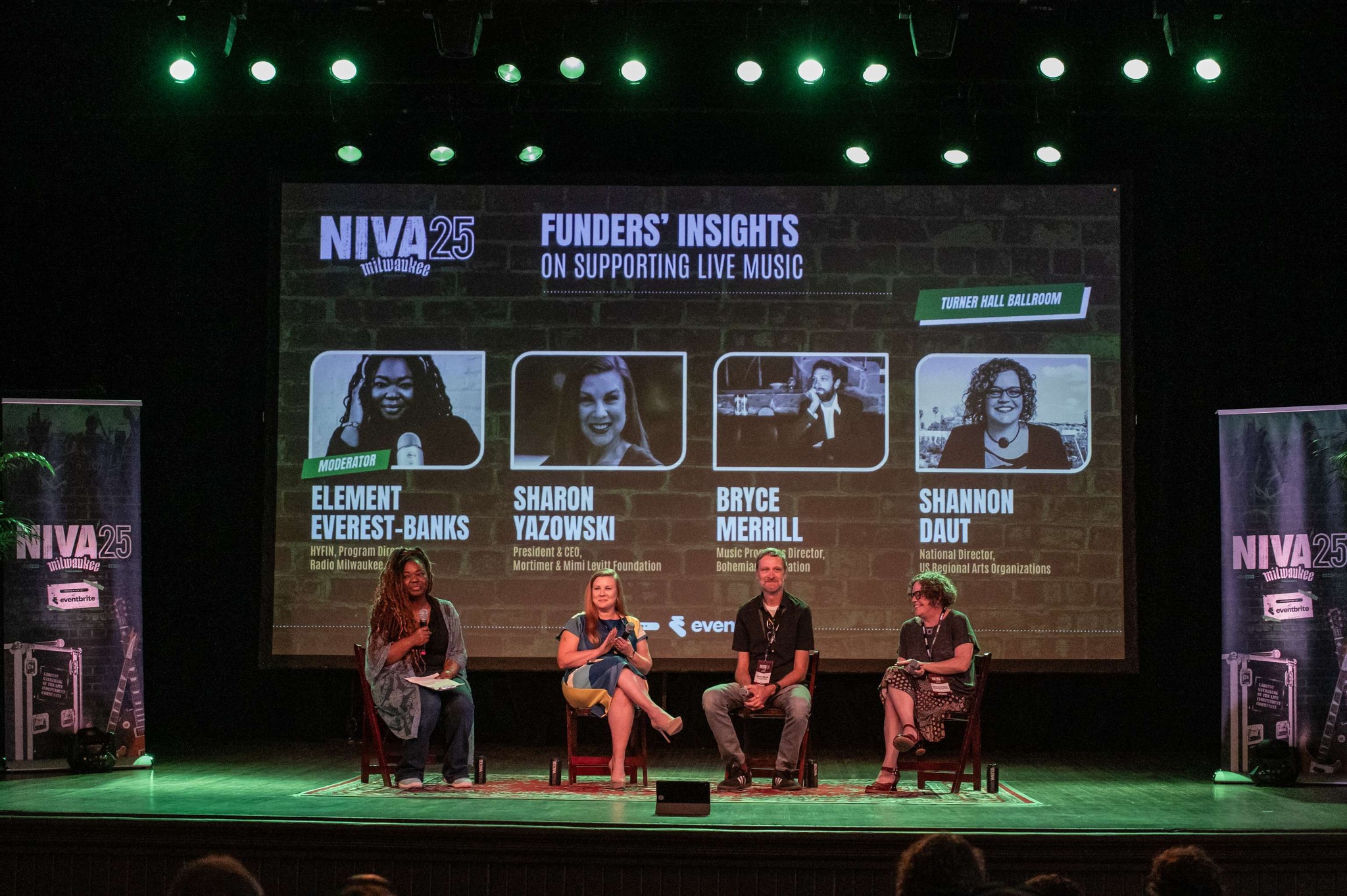
The Foundation’s decision to spend down $150 million in assets over the next two decades continued to inspire conversations in the field of philanthropy, including at SoCalGrantmakers’ 2025 Family Philanthropy Conference in Los Angeles. Yazowski and Silberman presented “Setting the Stage for Exponent Impact,” sharing insights on the Foundation’s spend down journey, including how to deepen grantee collaborations and create frameworks to support nonprofit sustainability. Later in the year, Yazowski shared perspectives on philanthropy’s role in sustaining live music ecosystems, alongside presenters from the Bohemian Foundation and United States Regional Arts Organization, at the National Independent Venue Association’s NIVA ’25 conference in Milwaukee, Wisconsin.
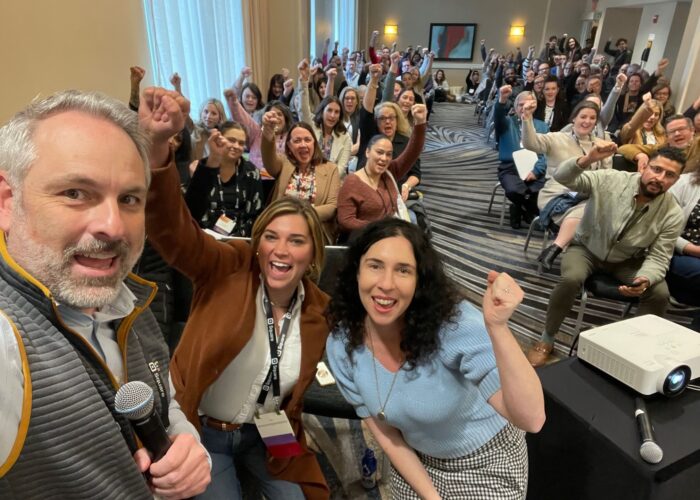
Recognizing the continued interest for trainings by communities of all sizes seeking to expand access to the arts and create inclusive public spaces, Levitt Foundation staff returned to Creative Placemaking Communities’ annual conference, this time in Montgomery, Alabama, to lead a series of workshops on the Levitt Model of free concerts in public spaces for social and economic impact. Among the topics presented by Amber Withers, Levitt Foundation Program Officer, Victoria Bridenstine, Levitt Foundation Vice President of Programs, Silberman, and Yazowski, were best practices and strategies for curating an artist lineup that centers local voices, fostering community connection through layered marketing and cross-sector partnerships, and fundraising to build a broad support base for the free concerts.
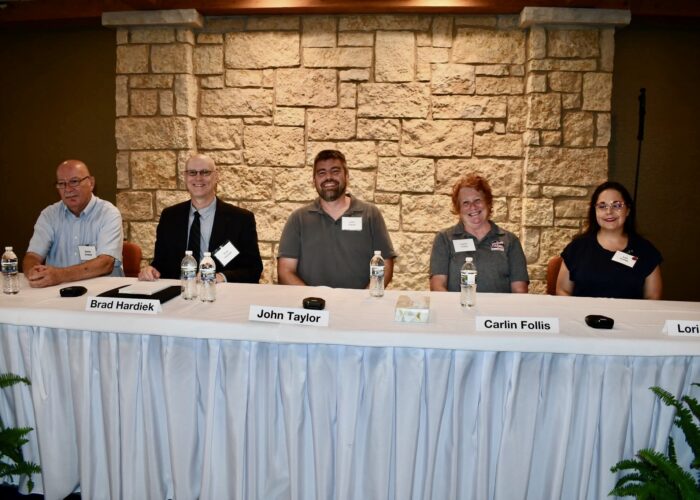
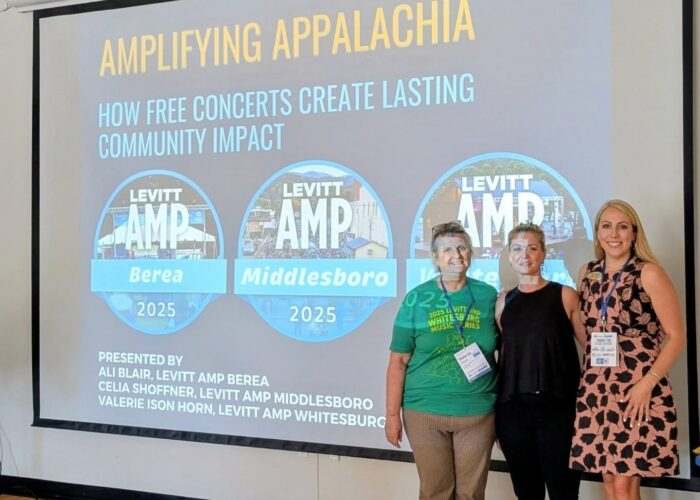
As respected nonprofit leaders throughout their regions, Levitt grantees were also invited to present at regional gatherings on the power of free, live music to strengthen social connections and create economic vibrancy in communities. For example, at the Illinois Institute for Rural Affair’s 36th Annual Rural Community and Economic Development Conference, John Taylor of Levitt AMP Galva shared how the music series heightened volunteer engagement in his small town and created stronger place attachment. And at Berea College’s Brushy Fork Leadership Gathering this past fall, the leaders of three Kentucky-based Levitt AMP communities—Ali Blair (Berea), Valerie Horn (Whitesburg), and Celia Shoffner (Middlesboro) explored how their respective Levitt Music Series have sparked cross-sector partnerships, empowered grassroots leadership development, created economic opportunity, and are supporting long-term program sustainability.
Across these varied events throughout 2025, the Levitt network of grantees as well as Levitt Foundation staff showcased their leadership in community building, creative placemaking, and building inclusive music ecosystems—illustrating how free, live music can create connection, inspire community engagement, strengthen local economies, and help communities thrive. Stay tuned for more exciting speaking engagement updates in 2026 that share the Levitt mission and impact!