LEVITT FEATURE: How a Small Town in Kentucky Found Its Music
Posted On May 4, 2026
KENTUCKY NATIVE Jenna Jefferson gazed at the audience’s shining faces and felt hope. She and her blues band had just finished playing the inaugural Levitt AMP concert in Middlesboro, Kentucky, a rural town in the heart of Appalachia.
On this summer night in 2015, all the downtown storefronts were dark, and many—too many—were vacant, seemingly abandoned. The decades-long decline of the coal industry and resulting economic insecurity, coupled with the rise of the opioid epidemic, had hollowed out many Kentucky communities. Middlesboro, with a population of about 10,000 people, was one of them.
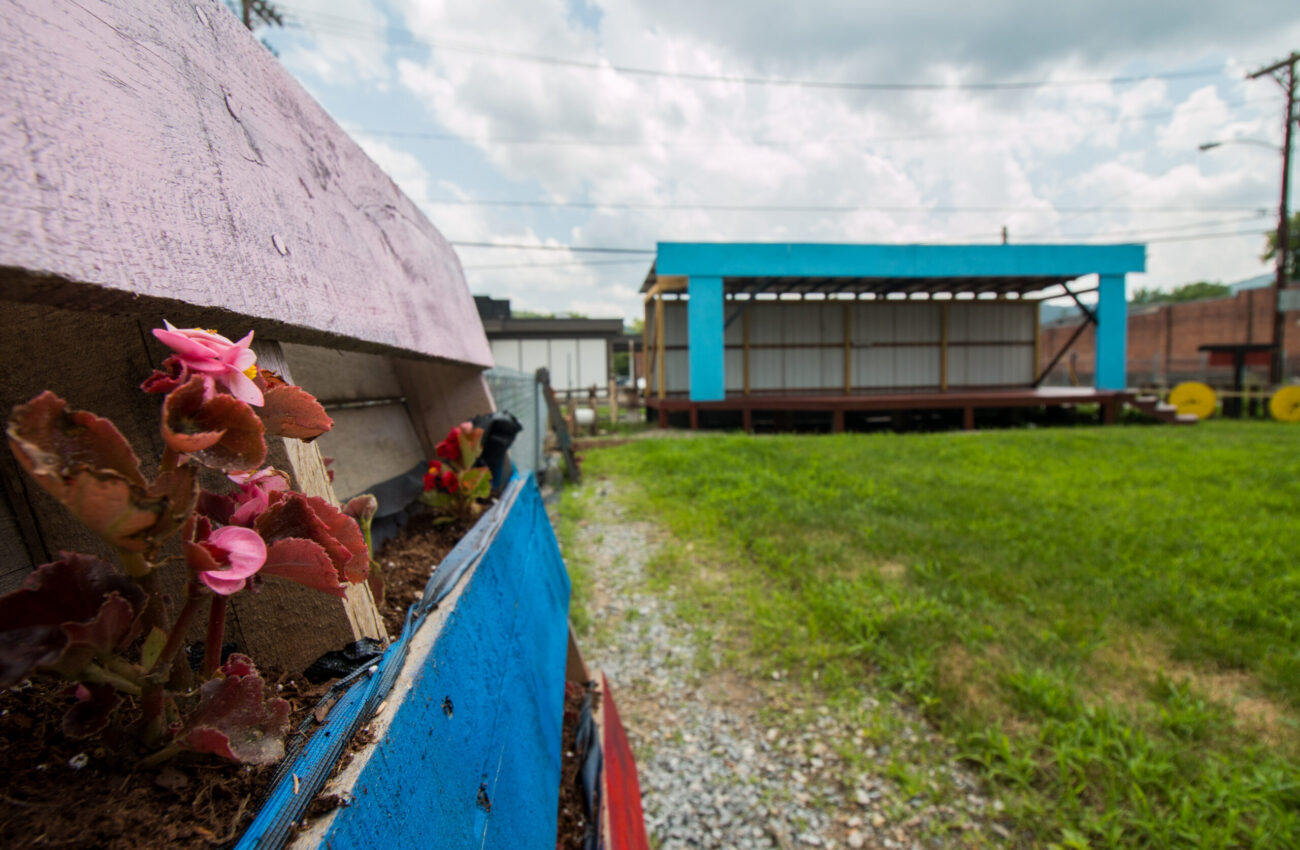
But the lights of the outdoor concert space—a weedy gravel lot where a beloved Woolworth’s once stood—burned hot and bright. And as she stood there on a makeshift wooden stage, the final chords of the last song still ringing through the quiet streets, the 150 audience members whooped, hollered and stomped their feet.
Downtown Middlesboro had not felt that alive in years.
“It was the beginning of a dream for downtown,” she said.
———
A decade later, that dream has come to life.
Middlesboro’s downtown scene is thriving in no small part due to its Levitt AMP Music Series, which celebrated its 10th year—and 100th concert, a first for a Levitt Music Series—this past fall. Through the ongoing efforts of the nonprofit Middlesboro Main Street (formerly known as Discover Downtown Middlesboro, which applied for the Levitt AMP grant award in 2015), as well as the tireless, year-round work of the “Levittones,” a group of committed volunteers, the concert series has grown in stature, attendance, and renown.
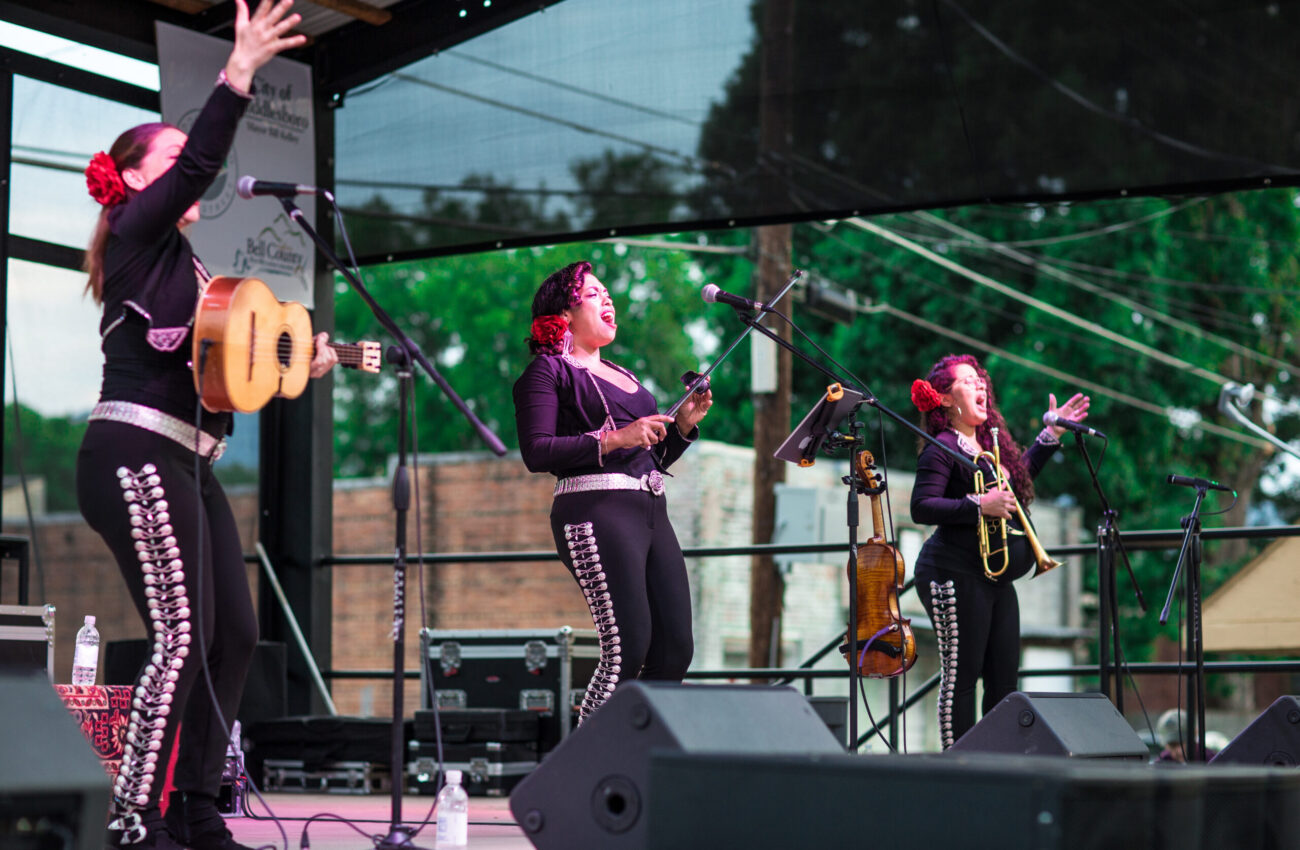
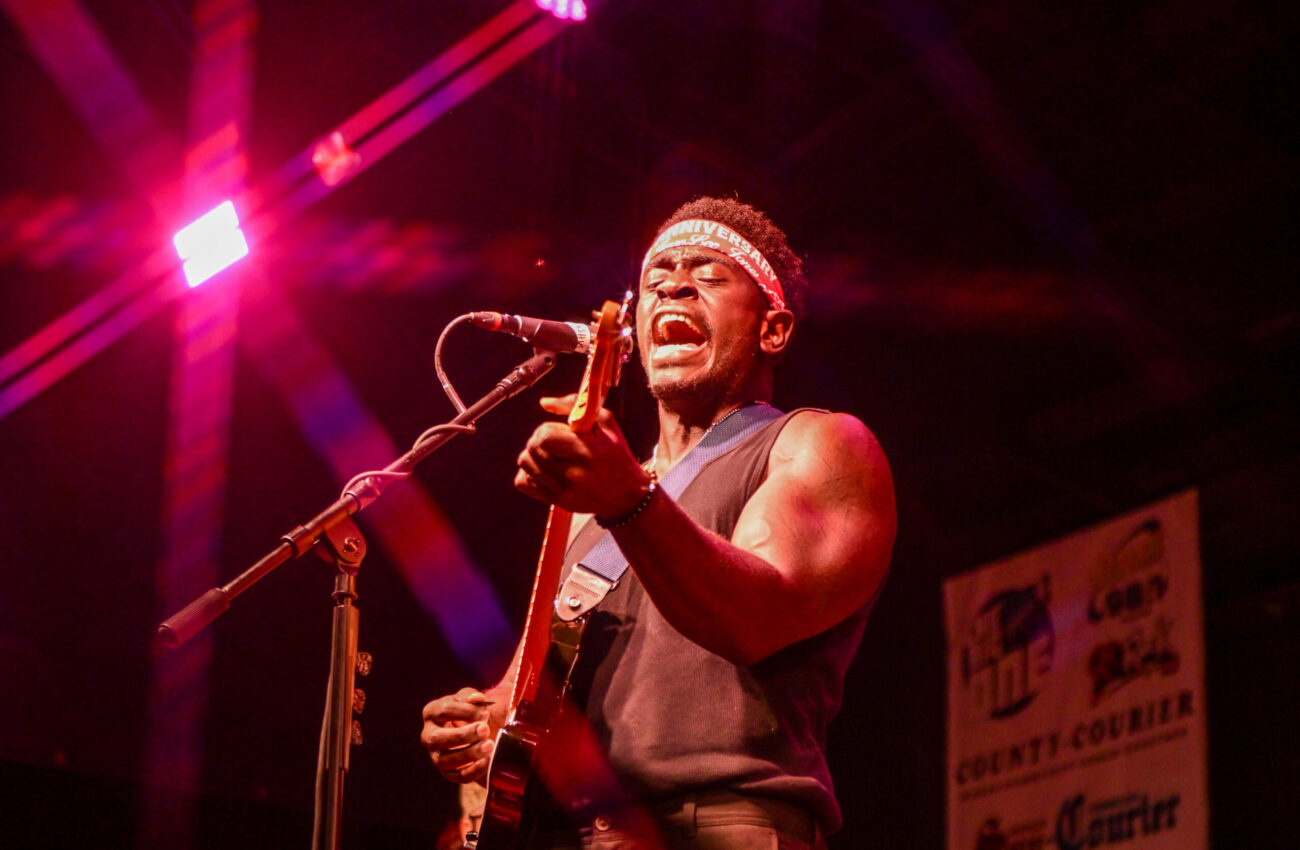
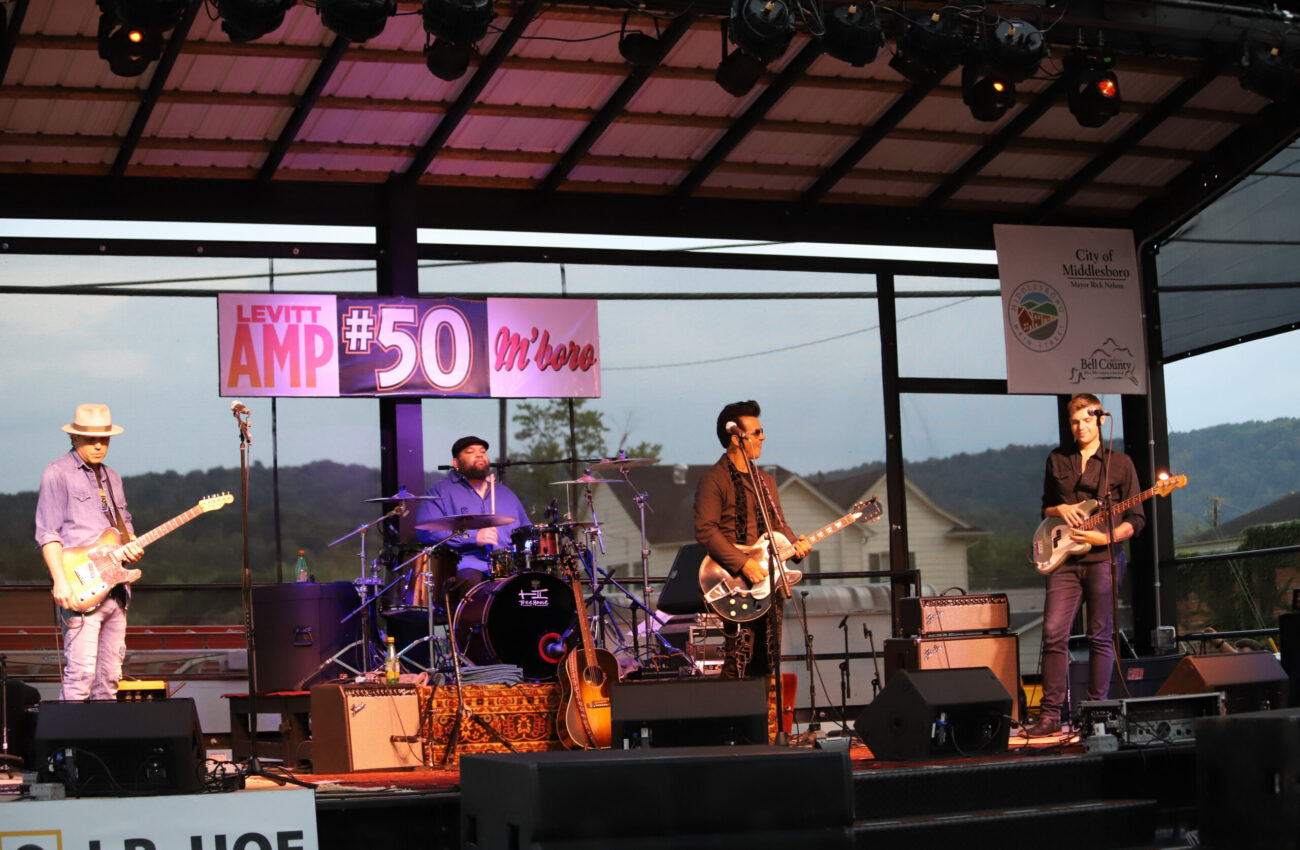
The 10-week series’ high-caliber lineup of artists draws music lovers across southeastern Kentucky, southwestern Virginia, and northeastern Tennessee. Over the years, winners of GRAMMY Awards, Country Music Association Awards, and the IBMA Bluegrass Music Awards have graced the Middlesboro concert stage. They include blues, country and gospel artist and multi-award winner Mike Farris; the all-female mariachi band, Flor de Toloache, which has been nominated twice for a GRAMMY; and 2025 season closer Kashus Culpepper, a blues and country crooner who GRAMMY online dubbed an “Artist to Watch.”
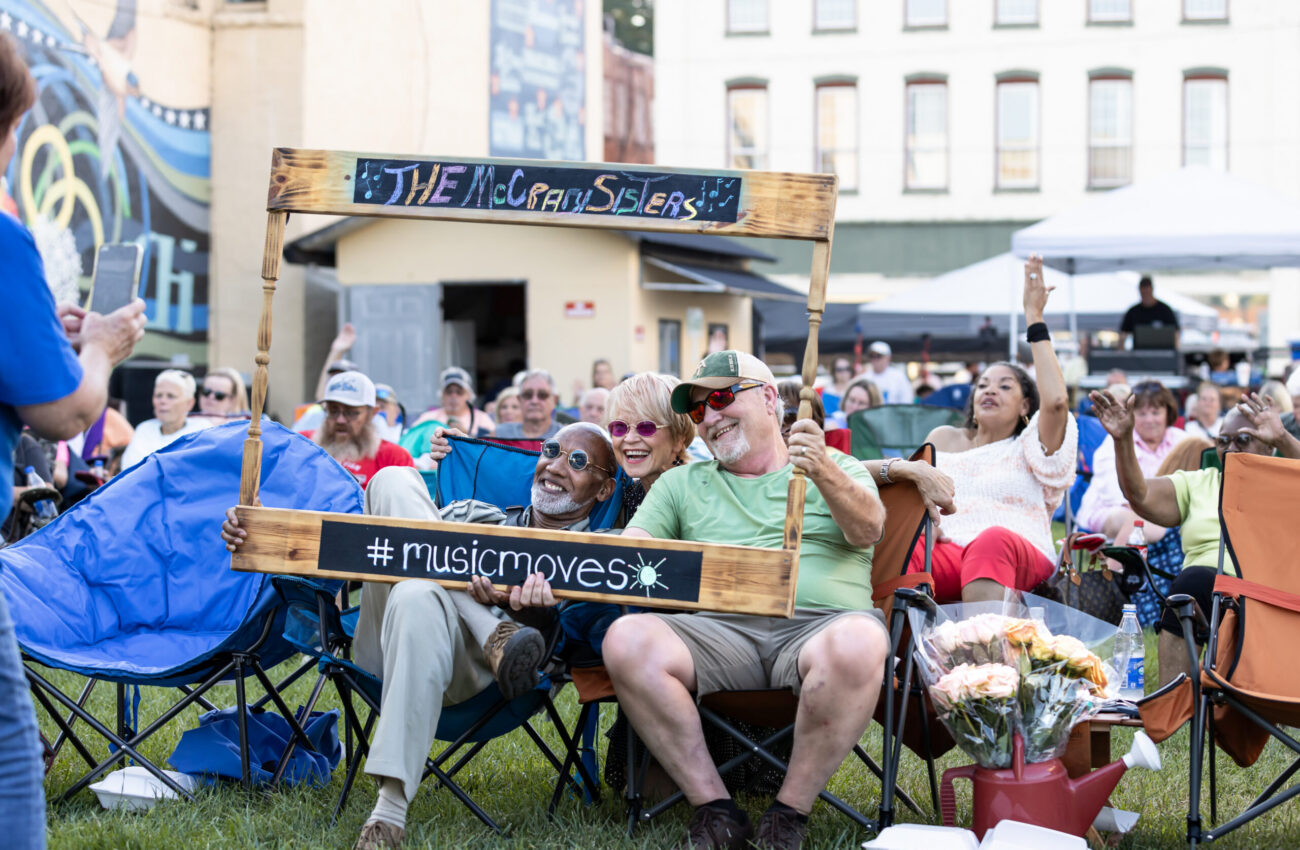
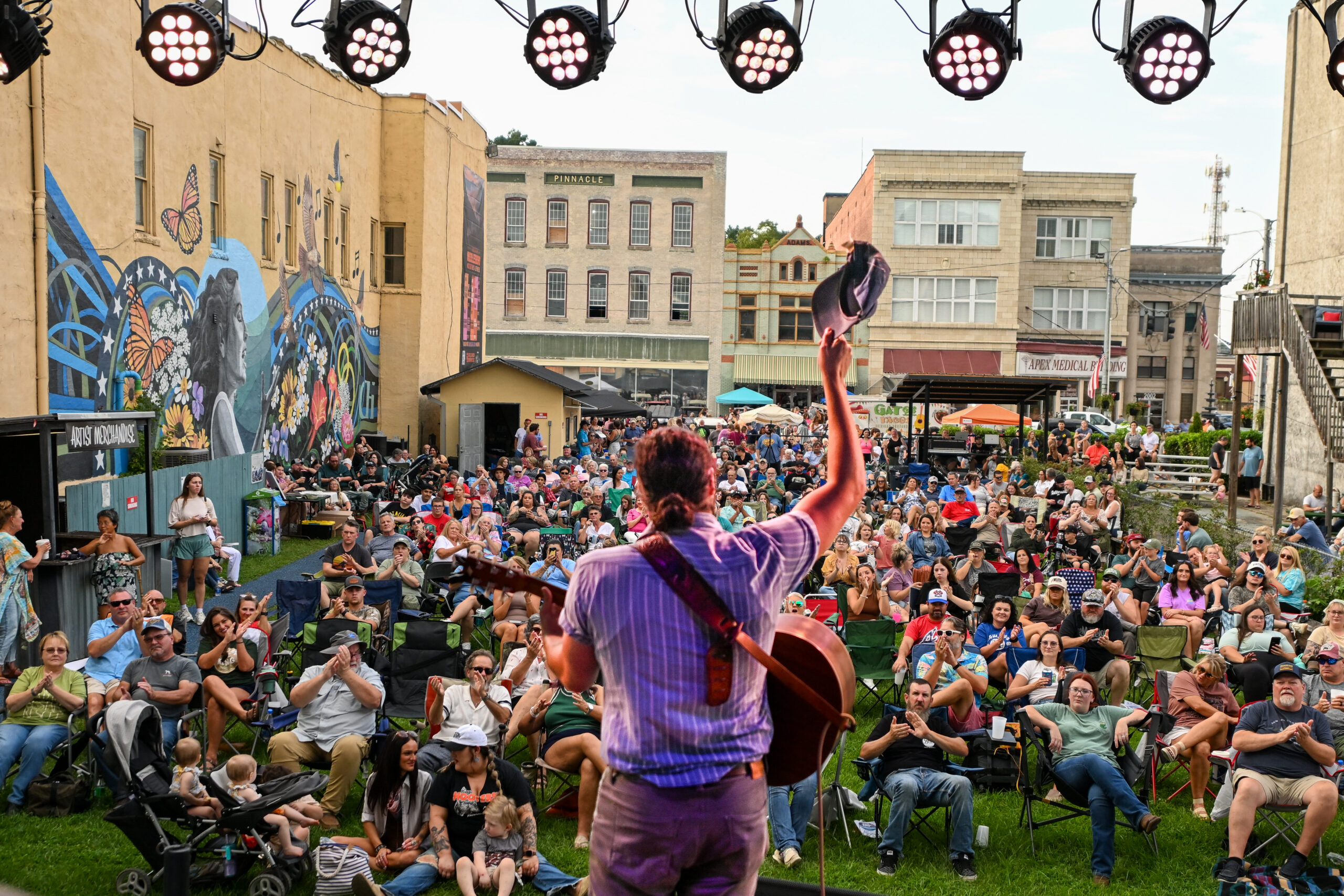
Average attendance at each concert exceeds 500 people and that number easily doubles or more if an especially well-known singer or band comes to town, said Elizabeth Manning, the concert series’ PR coordinator.
“Some people say, ‘I drove four hours for this,’” she said.
The Levitt AMP concert series also nurtures Middlesboro’s own musical talent. At each concert, a local artist opens for the headliner. Audience members appreciate seeing their own being recognized.
“What an opportunity it is for them to open for a GRAMMY-award winner and to be seen by a big crowd,” said Larry Grandey, co-owner of downtown’s Crater City Coffee and a member of the Middlesboro Historic Commission.
And while the music lovers come for the free concerts, they often stay to grab a bite at downtown restaurants or vendors. Walk down Cumberland Avenue these days and you’ll pass boutiques, coffee shops, and a florist. Downtown Middlesboro is also home for many graduate students at nearby Lincoln Memorial University (LMU), who live in apartments above the storefronts.
Most buildings were empty not so long ago, said H.H. “Bo” Hoe, co-chair of the Levittones. Now, nine out of 10 downtown storefronts are thriving. One of his sons has even moved back to Middlesboro and, with his young family, enjoys the new “Levitt-inspired energy of downtown.”
“You can take a walk down there in the evenings,” Hoe said of downtown Middlesboro, “and it’s a nice experience.”
———
About 150 years ago, Middlesboro’s founders had high hopes for the little town at the foothill of the Appalachian Mountains. It had the unusual distinction of being in an especially verdant, bowl-shaped valley thanks to a meteor crash 300 million years ago.
In the 1880s, Canadian-born engineer Alexander Arthur saw the nascent town’s industrial potential and aimed to turn Middlesboro into a steel city, a “Pittsburgh of the South.” Unfortunately, that plan failed, much of the town burned down in a fire in 1890, and in 1893, skittish investors pulled out of a venture to build a railroad tunnel through Cumberland Gap.
But as the decades passed, Middlesboro slowly rebuilt as a coal town. And other, more modest plans stuck, such as the construction of a nine-hole golf course, still in operation today and purportedly the oldest, continuously played golf course in the United States. By the 1940s, Middlesboro had rebounded and even gained notoriety. Known as “Little Las Vegas” or “Little Chicago,” 19th street in the downtown corridor became “a 24-hour-a-day party, with drink flowing freely’” in its saloons and gambling houses according to The Magic City by Ann Dudley Matheny.
Hard times came again when the region’s main industry—coal—began its long downward slide. And when the mall opened in the periphery of Middlesboro in the early 1980s, businesses left downtown, either relocating to the mall or shutting altogether.
“One store after another moved out until no stores were there. On the tails of that was the opioid epidemic. Nobody felt good even driving through downtown,” said Hoe.

It’s hard to believe this vacant lot, seen here in 2014, would become the future location of so much joy, music, and connection.
By 2015, the self-esteem of the community was at “a low ebb,” according to Hoe. The percentage of people living below the poverty line in Bell County, which includes Middlesboro, was 38 percent. In comparison, the national poverty rate was 13.5 percent.
So, when Middlesboro applied for and received the Levitt AMP grant in 2015, in part due to the community rallying and voting for their proposal, it didn’t just lift economic prospects. It brought hope, inspiration, and a sense of pride to Middlesboro residents.
“[The Levitt concerts] opened people’s minds,” Hoe said, “about the possibilities of downtown.”
———
If Middlesboro was a film, its old town center would have been in grainy black and white. Now, it’s in Technicolor.
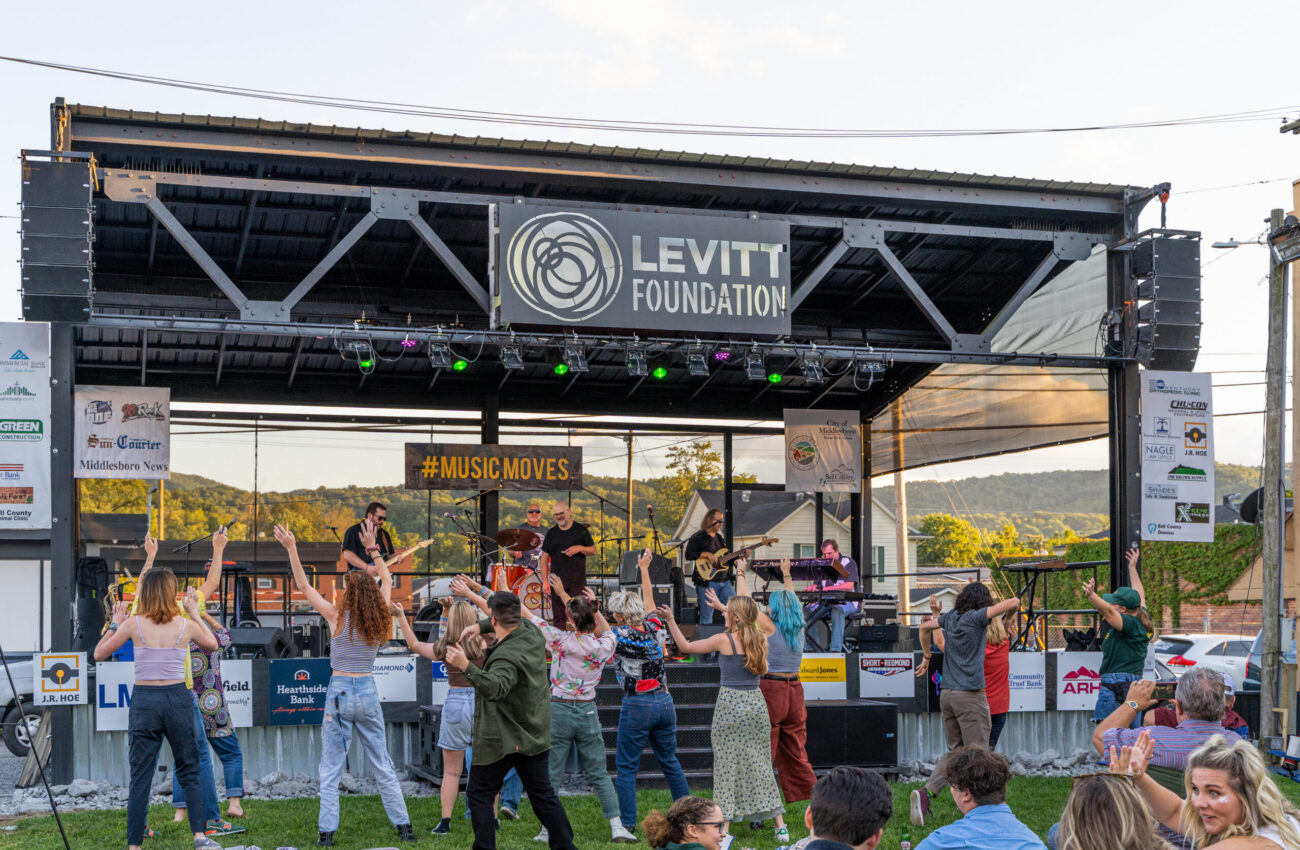
On Thursday nights in the summer, downtown Middlesboro is abuzz. An entire block is roped off to vehicles so concert-goers can amble the street, enjoy a picnic on the concert lawn, peruse the food and craft vendor offerings, and kids can take part in children’s activities. Dozens of golf carts line the streets, some owned by actual golfers, others by residents who just want an easy and fun way to get to the downtown concerts.
“Our whole community comes together and looks forward to Thursday nights,” said Judy Grandey, a Middlesboro city councilmember and co-owner of downtown’s Crater City Coffee. “It’s truly a family event, covering a wide variety of generations.”
The small wooden stage from the series’ early days has been replaced by a sturdy, professional structural steel stage. At 40-ft. wide and 26-ft. deep, it rivals performance spaces in some bigger cities. Bo Hoe’s company, Middlesboro-based J.R. Hoe, an iron casting and steel fabrication company, built the stage and funded its construction.
“It’s about thirty tons of steel,’” said Hoe, who is company president. “I was like, ‘Go big or go home.”
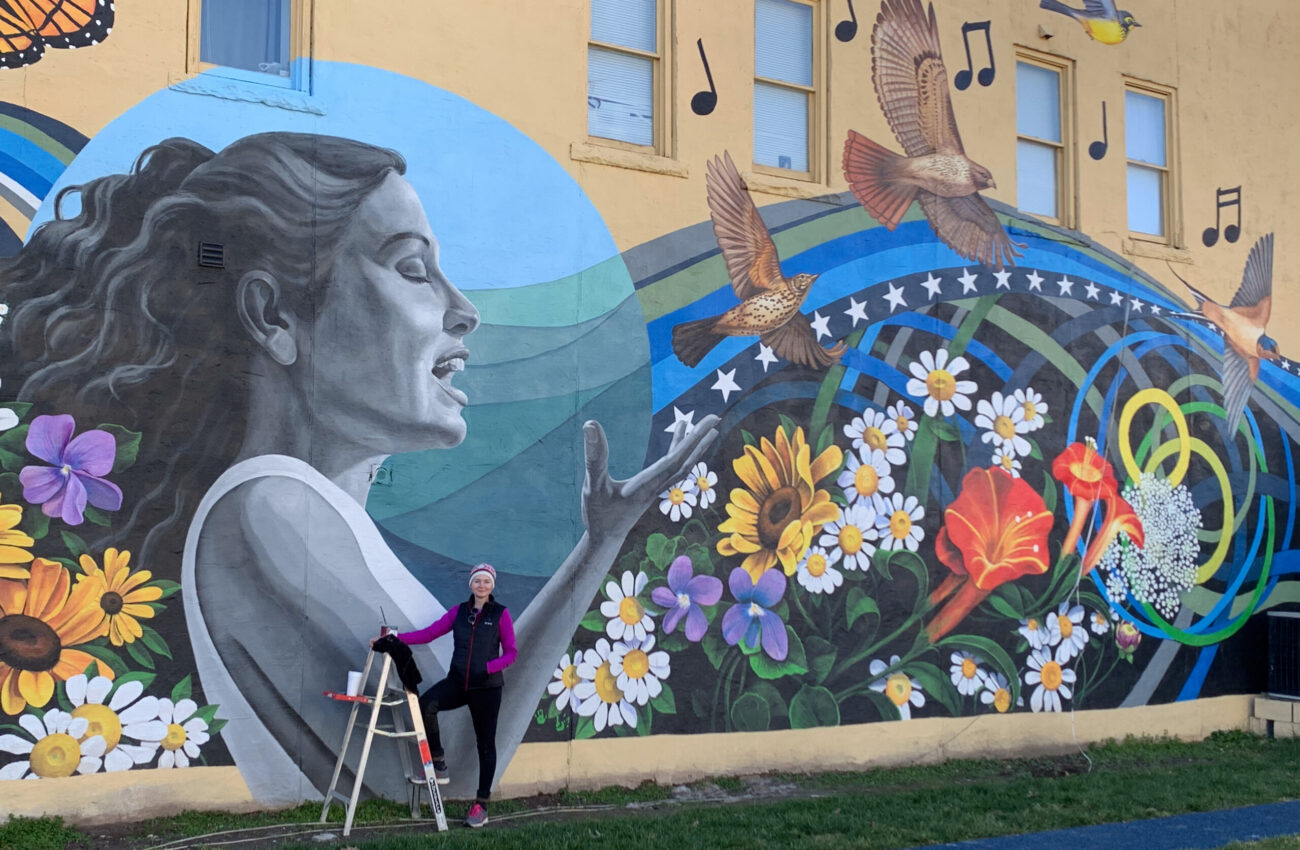
The Levitt concert lawn is lush and welcoming, a verdant carpet of grass. In the summer months, you can even pick fresh berries from the blueberry bushes (planted by volunteers) lining the lawn. The concert area is also enhanced by a huge mural created by a local artist. It depicts Viceroy butterflies (Kentucky’s state butterfly), musical notes, Kentucky songbirds such as the wood thrush and the warbler, and a woman singing. Intertwined through the Levitt logo on the mural are flowers such as black-eyed susans, morning glories, and, as a tribute to the late Liz Levitt Hirsch, who led the Levitt Foundation for a decade, pink peonies, her favorite flower.
The theme of the mural touches “on our sense of pride and place and all the beauty and music we have here in the area,” said Bell County native Jaime Corum, the artist who designed and painted the mural.
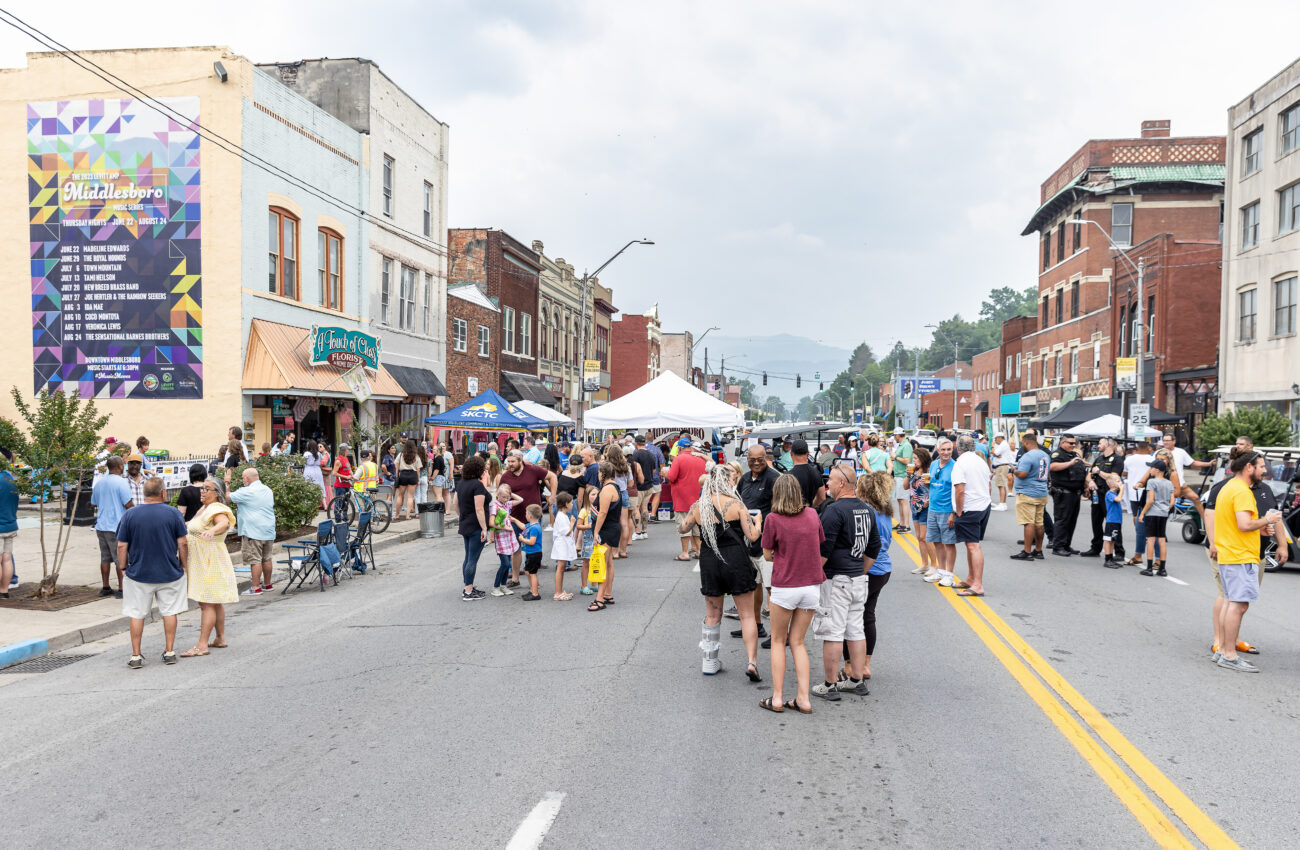
Also marking this new chapter: Middlesboro, which was a “dry town” for over a century, saw voters approve an ordinance in 2015 allowing restaurants to serve alcohol, enhancing their viability. And, in 2020, voters also said “yes” to allowing Middlesboro stores to sell alcohol. The re-introduction of alcohol sales helps the Middlesboro economy throughout the year, not just during the summer—when concertgoers can now enjoy an adult beverage while taking in the music.
Reflecting on the evolution of downtown, Larry Grandey says that while there wasn’t just one reason for its success, the Levitt AMP concert series has been key.
“It’s been a confluence of things coming together,” he said. “But the Levitt series puts the cherry on top of the sundae.”
———
Downtown isn’t done yet. Middlesboro Main Street has received a $100,000 grant from the Hartford Small Business Accelerator Program to build a business incubator space downtown. At least five Middlesboro micro businesses have already signed up, including a woodworking shop, a local honey company, a flower shop, and a jewelry store. The incubator space is slated to open to the public later this year.
“We hope to have ten to twelve businesses,” said David Whitlock, vice president of the board for Middlesboro Main Street and co-chair of the Levittones. “The incubator allows businesses working from their home to have store frontage and to test the water to see if they can open a storefront in downtown Middlesboro.”
In addition, the City of Middlesboro unanimously adopted an ambitious strategic plan in August 2025. It focuses on economic development, community health and wellness, housing development, and growing Middlesboro’s core identity. The aim: To provide a roadmap that includes a broad vision for the future as well as specific recommendations to guide the city.
Whatever the future may hold, the Levitt AMP series will continue to be a key part of Middlesboro. Corum, the Levitt mural designer, said the Levitt AMP concert series was the shot in the arm Middlesboro needed.
“If you’re from the mountains, you’ve got resilience. Even though we sometimes feel beat down with the economy, there is a great sense of community, a deep sense of pride in the area,” she said.
Middlesboro native Dana Greene, the former MC of the Levitt AMP Music Series and Levittone volunteer, agrees wholeheartedly that the music series has lifted people’s spirits.
“There has really been a remarkable change in downtown Middlesboro,” he said. “We hear people say a lot about the concert series, ‘This is the best thing we’ve got going; this is the best thing that’s happened to this town.’”
“Levitt has become part of the fabric of our community.”

Dana Green (center) with musicians Levi Cadle (left), Lauren Beeler-Beistad (right), and an appreciative audience in 2019.