Accessibility from the Start: A Practical Guide to Inclusive Event Planning
Tuesday March 10, 2026 at 10:00am
Planning an accessible event can feel overwhelming—especially if you’re not sure where to begin. This training session—a refresher on topics from previous accessibility sessions—was designed to help you build accessibility into your events from the very start, rather than an add-on. Participants gained a high-level understanding of common barriers and opportunities for accessibility, along with practical considerations for inclusive event design and accessible marketing. The session also explored how to clearly and confidently communicate your accessibility offerings so audiences know what to expect and feel genuinely welcomed. Whether you’re new to accessibility planning or looking to strengthen your approach, this training will help you lay a strong foundation in creating a welcoming space for people of different abilities in your community—and share it proudly.
Session Presentation (PDF)
Worksheet (PDF)
Event Accessibility Planner (PDF)
Checklist for Accessible Event Planning (PDF)
Levitt Sioux Falls Digital Accessibility (PDF)
Levitt Sioux Falls Accessibility Page
Free Visual Contrast Tool Website
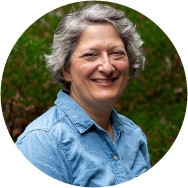
Elizabeth Ralston guides organizations in the strategic development of accessibility roadmaps, with an emphasis on equity and inclusion. She has over 25 years of experience working with nonprofits, government agencies, and academic institutions. She has a Master of Public Health from the University of Michigan and a certificate of Nonprofit Management from the University of Washington.
Elizabeth’s expertise is in maximizing organizations’ success through program development, strategic communications, and event implementation, all with an eye on accessibility. She is a published writer, engaging educator, and a seasoned storyteller committed to amplifying the voices of marginalized communities.
Elizabeth is also the Founder of the Seattle Cultural Accessibility Consortium, a grassroots effort to help arts and cultural organizations improve accessibility for their audiences. Her creation of the Consortium emerged from deep listening to the arts and disability communities about the gaps in accessibility. She brings a unique perspective to her work, through her lived experience with a disability.
As a deaf woman who uses cochlear implants to hear, Elizabeth faces accessibility challenges every day. Her hearing loss never stopped her from achieving her life goals. As a Peace Corps Volunteer in Malawi, Africa, she saw first-hand the powerful impact a person may have on the lives of others, and she has devoted her life to public service ever since.